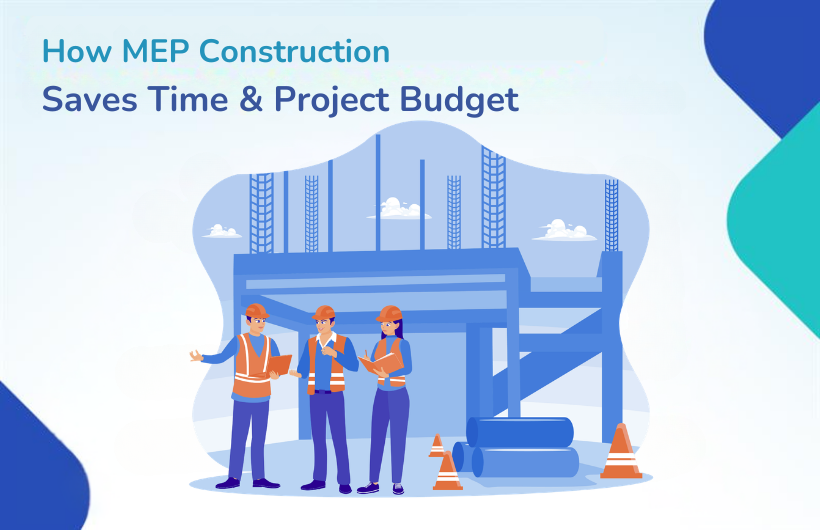
In modern infrastructure, MEP construction plays a critical role in ensuring that buildings are safe, energy-efficient, and fully functional. From commercial complexes to residential towers and industrial facilities, Mechanical, Electrical, and Plumbing systems form the backbone of every structure.
If you’re planning a new project or upgrading an existing building, this complete guide will help you understand MEP construction, its importance, process, benefits, and how expert companies like Monarch Innovation deliver high-performance solutions.
What is MEP Construction?
MEP construction refers to the design, planning, installation, and maintenance of:
- Mechanical Systems – HVAC (Heating, Ventilation, Air Conditioning), fire protection, elevators
- Electrical Systems – Power distribution, lighting, cabling, backup systems
- Plumbing Systems – Water supply, drainage, sewage, piping networks
These systems ensure comfort, safety, operational efficiency, and compliance with building regulations.
MEP construction is the process of designing and installing mechanical, electrical, and plumbing systems in a building to ensure functionality, safety, and energy efficiency.
Why is MEP Construction Important?
Proper MEP coordination prevents costly rework, delays, and operational inefficiencies.
Key Benefits:
- Improved energy efficiency
- Reduced lifecycle costs
- Better occupant comfort
- Compliance with safety codes
- Seamless system integration
- Smart building compatibility
Without well-planned MEP systems, even the most visually appealing building will fail operationally.
What Are MEP Plans in Construction?
MEP plans in construction are detailed technical drawings that show how mechanical, electrical, and plumbing systems are designed and installed within a building.
These plans include:
- HVAC layout drawings
- Electrical wiring diagrams
- Plumbing piping layouts
- Fire fighting system layouts
- Equipment positioning drawings
Why MEP Plans Are Critical:
- Prevent system clashes
- Improve cost estimation
- Ensure compliance with codes
- Support accurate installation
- Reduce rework on site
Well-prepared Mechanical, Electrical, and Plumbing systems plans significantly improve construction efficiency and long-term performance.
Core Components of MEP Construction
1. Mechanical Systems (HVAC)
Includes:
- Heating systems
- Ventilation systems
- Air conditioning
- Chillers & cooling towers
- Smoke extraction
Benefits:
- Indoor air quality improvement
- Thermal comfort
- Energy-efficient building performance
2. Electrical Systems
Includes:
- Power distribution
- Transformers & generators
- Lighting systems
- Cable tray routing
- Earthing & lightning protection
- Fire alarm systems
Electrical Mechanical, Electrical, and Plumbing systems ensures uninterrupted and safe power supply.
3. Plumbing & Fire Protection
Includes:
- Water supply systems
- Drainage systems
- Sewage systems
- Stormwater systems
- Fire sprinkler systems
- Hydrant systems
Proper plumbing design ensures sanitation compliance and water efficiency.
Role of BIM in MEP Construction
Building Information Modeling (BIM) allows:
- 3D visualization
- Clash detection
- Accurate material estimation
- Cost reduction
- Better coordination
Using BIM-based MEP plans in construction reduces errors before site execution.
MEP Construction Process
1. Project requirement analysis
2. Load calculation
3. Preparation of MEP plans
4. BIM modeling
5. Cost estimation (BOQ)
6. Installation & execution
7. Testing & commissioning
8. Maintenance services
Structured workflow improves long-term performance and reduces operational risks.
Latest Trends
- Smart building automation
- IoT-based monitoring
- Energy-efficient HVAC systems
- Solar-integrated electrical systems
- Green building compliance
- Sustainable plumbing systems
- Prefabricated MEP modules
Modern MEP engineering focuses heavily on sustainability and energy optimization.
Common Challenges
- Design coordination conflicts
- Inaccurate load calculation
- Poor documentation
- Code compliance errors
- Material procurement delays
Professional planning and advanced MEP drawings reduce these risks significantly.
Why Choose Us?
At Monarch Innovation, we provide:
- Comprehensive MEP construction services
- Advanced MEP plans in construction
- All major types of MEP drawing
- BIM-based coordination
- Cost-effective execution
- Sustainable and energy-efficient solutions
Our team ensures precision, compliance, and long-term reliability in every project.
Conclusion
MEP construction is not just about installation — it is about precision engineering, coordination, and sustainability. Proper Mechanical, Electrical, and Plumbing systems in construction and detailed Types of MEP drawing ensure seamless execution and long-term performance.
With expert planning and execution from Monarch Innovation, your building infrastructure becomes future-ready, energy-efficient, and fully compliant.
FAQs
1. What is the difference between MEP and HVAC?
MEP includes Mechanical, Electrical, and Plumbing systems, while HVAC is only part of the Mechanical system.
MEP covers all building services like electricity, water supply, drainage, and air systems.
HVAC only deals with heating, ventilation, and air conditioning.
So, HVAC is one part of MEP — not the whole system.
2. What is a MEP plan in construction?
A MEP plan in construction is a drawing that shows how mechanical, electrical, and plumbing systems will be installed in a building.
It shows:
- Where ducts will run
- Where wires will go
- Where pipes will be placed
These plans help avoid mistakes and ensure smooth installation.
3. How many types of MEP are there?
There are three main types of MEP systems:
1. Mechanical
2. Electrical
3. Plumbing
Each type handles different building services like air systems, power supply, and water systems.
4. Are MEP and HVAC the same?
No, MEP and HVAC are not the same.
HVAC is only a part of the Mechanical system.
MEP includes Mechanical, Electrical, and Plumbing together.
So, HVAC is included inside MEP.
5. What is the difference between a civil engineer and a MEP engineer?
A civil engineer builds the structure, while a MEP engineer designs the building systems.
Civil engineer works on:
- Foundation
- Structure
- Concrete work
MEP engineer works on:
- Air conditioning
- Electrical wiring
- Plumbing systems
In simple words, civil engineers build the building, and MEP engineers make it functional.