Conceptual design focuses on the overall idea and vision of a project, while schematic design converts that idea into scaled layouts and site plans that can be reviewed for feasibility, cost, and compliance.
If you are planning a construction, architectural, or engineering project, understanding schematic design vs conceptual design is extremely important. People often confuse these two stages, but each stage plays a distinct role in shaping a successful project. When clearly defined, they help avoid redesigns, cost overruns, and approval delays.
Understanding the Early Design Stages
Before comparing schematic vs conceptual design, it’s useful to see where they fit in the overall design journey:
1. Conceptual Design
2. Schematic Design
3. Design Development
5. Execution
Conceptual and schematic design form the foundation of the entire project. Mistakes here affect everything that follows.
What Is Conceptual Design?

Conceptual design is the idea-generation stage. This is where the project’s vision is explored without getting into technical details or exact measurements.
What Conceptual Design Focuses On
- Overall vision and intent
- Functional zoning of spaces
- Relationship between building and site
- Orientation, access, and circulation
- User experience and spatial flow
Conceptual Site Plan Explained
A conceptual site plan is a rough, illustrative layout that shows how the site may be used. It is not drawn to scale and should not be treated as a final plan.
A conceptual site plan typically shows:
- Approximate building placement
- Entry and exit points
- Open spaces and landscaping zones
- Pedestrian and vehicular movement
- Relationship with surrounding plots
At this stage, changes are easy and encouraged.
Key Characteristics of Conceptual Design
- Flexible and exploratory
- Focused on ideas, not precision
- Used for discussions and alignment
- Helps in early feasibility studies
Typical Conceptual Design Outputs
- Hand sketches
- Massing diagrams
- Bubble diagrams
- Mood boards
- Conceptual site plan
What Is Schematic Design?
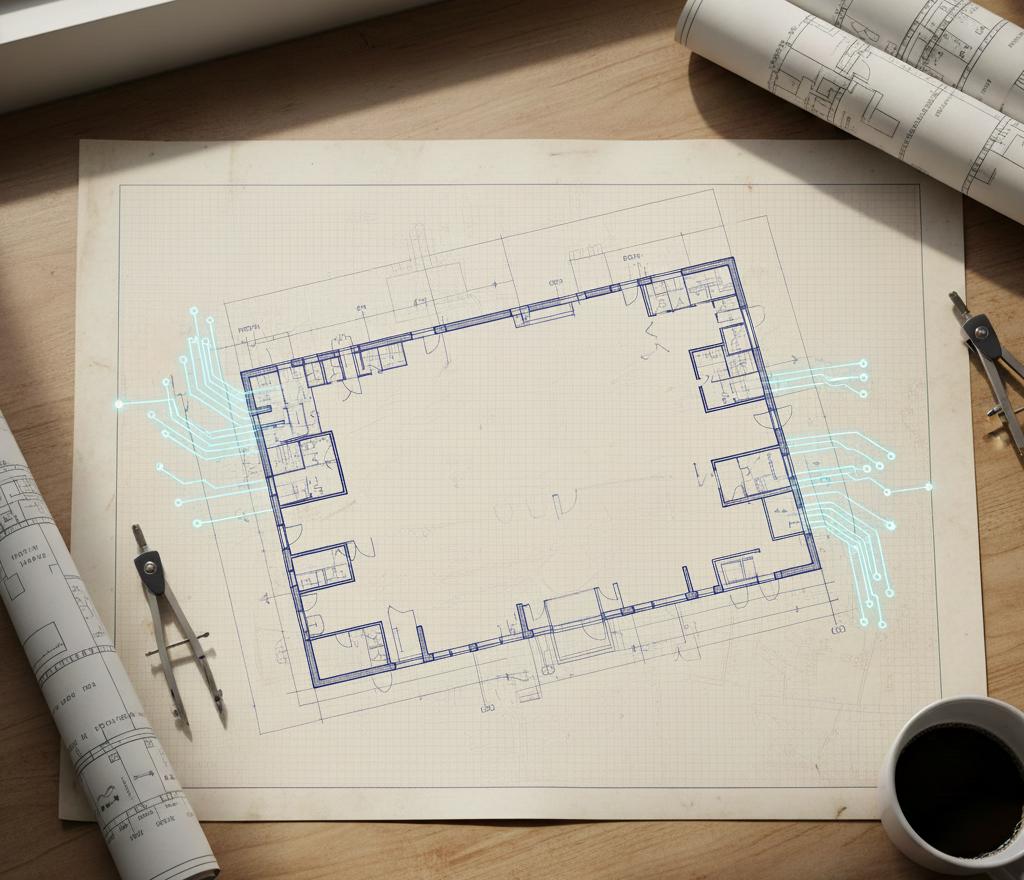
Once the concept is approved, the project moves into schematic design. This stage brings structure and clarity to the approved idea.
What Schematic Design Focuses On
- Scaled spatial layouts
- Room sizes and adjacencies
- Circulation paths
- Basic compliance with regulations
- Preliminary cost planning
Schematic Site Plan Explained
A schematic site plan is a scaled drawing that shows how the project realistically fits on the site.
It usually includes:
- Scaled building footprints
- Plot boundaries and setbacks
- Parking layouts and driveways
- Road widths and circulation routes
- Basic service and landscape zones
Consultants and authorities often review schematic site plans, unlike conceptual plans.
Key Characteristics of Schematic Design
- Drawn to scale
- Less flexibility than conceptual design
- Suitable for early approvals
- Used for preliminary budgeting
Typical Schematic Design Outputs
- Scaled floor plans
- Schematic elevations
- Basic sections
- Area statements
- Schematic site plan
Schematic Design vs Conceptual Design: Clear Comparison
| Aspect | Conceptual Design | Schematic Design |
| Design Stage | First | Second |
| Primary Purpose | Define vision | Define layout |
| Drawing Scale | Not to scale | To scale |
| Flexibility | Very high | Moderate |
| Cost Accuracy | Rough estimate | Preliminary estimate |
| Site Planning | Conceptual site plan | Schematic site plan |
| Decision Type | Directional | Functional |
Why Understanding the Difference Is Crucial
Confusing schematic design vs conceptual design can lead to:
- Unrealistic expectations
- Frequent redesigns
- Budget overruns
- Delays in approvals
Conceptual design aligns all stakeholders on what the project will be.
Schematic design clarifies how the team will build and execute that vision.
Skipping either stage weakens the entire project.
Simple Real-World Example
Think of designing a home:
- Conceptual design decides:
- Where the house sits on the plot
- Whether it feels open or compact
- Where gardens and open spaces go
- Schematic design decides:
- Actual room sizes
- Staircase location
- Parking dimensions
- Setbacks and circulation widths
Both are essential, but they solve different problems.
When Should Conceptual Design Be Used?
Conceptual design is ideal when:
- Starting a new project
- Exploring multiple ideas
- Presenting vision to stakeholders
- Studying site feasibility
It is the stage where changes are cheapest, and creativity is highest.
When Should Schematic Design Be Used?
Schematic design is required when:
- The concept is finalized
- Preliminary cost estimation is needed
- Planning approvals are required
- Consultant coordination begins
This stage reduces uncertainty before detailed design starts.
Common Mistakes to Avoid
- Treating conceptual drawings as final plans
- Expecting exact costs during conceptual design
- Skipping conceptual design to save time
- Making major changes after schematic approval
Avoiding these mistakes saves time, money, and stress.
Final Takeaway
In schematic design vs conceptual design, conceptual design defines the idea, vision, and intent of a project, while schematic design translates that vision into a clear, scaled, and workable layout. Conceptual design helps stakeholders align on direction early, explore site potential through a conceptual site plan, and evaluate feasibility without heavy constraints. Schematic design then adds structure by defining room sizes, circulation, and a schematic site plan that supports preliminary costing and approvals. Both stages serve different purposes, but together they form the foundation of a successful project.
At Monarch Innovation, this sequential approach ensures that projects move smoothly from vision to execution. By strengthening concepts before locking layouts, Monarch Innovation helps reduce redesigns, control costs, and improve approval efficiency. Whether it’s early-stage planning, site development, or design-led engineering, following the right order of conceptual and schematic design leads to smarter decisions, better coordination, and long-term project success.
FAQs
1. What is the main difference between schematic design and conceptual design?
Conceptual design defines the project’s idea and vision, while schematic design translates that vision into scaled layouts for feasibility, cost review, and compliance.
2. Which design stage comes first: conceptual design or schematic design?
Conceptual design always comes first. It sets the project direction, which schematic design then develops into structured and measurable plans.
3. Is a conceptual site plan drawn to scale?
No. A conceptual site plan is illustrative and flexible. It shows ideas and relationships, not exact dimensions or construction details.
4. Why is schematic design important for approvals?
Schematic design provides scaled drawings, area calculations, and site layouts that consultants and authorities can review before granting approvals.
5. Can teams make changes after schematic design approval?
Yes, changes are possible, but major revisions at this stage can increase project cost, timelines, and coordination effort.