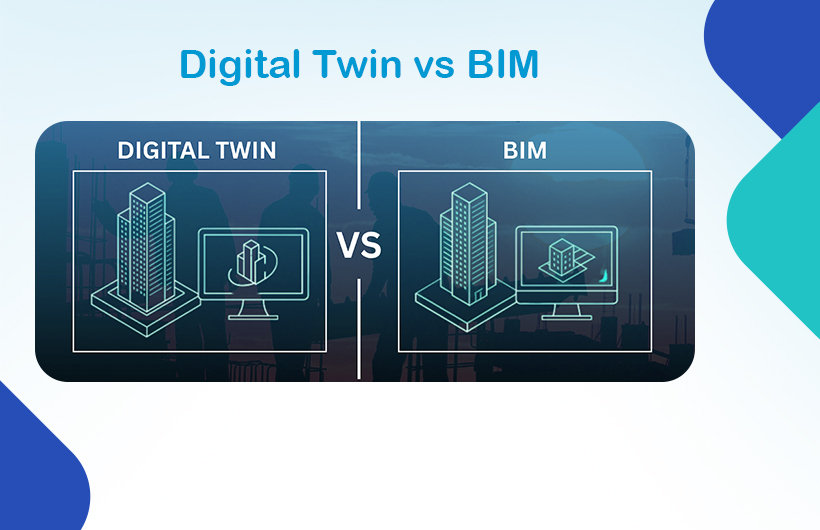
In construction, infrastructure, and facility management, the terms digital twin and BIM are often used interchangeably. This creates confusion for decision-makers trying to invest in the right technology. While both involve digital models, they serve very different purposes across the building lifecycle.
Are BIM and Digital Twin the Same?
No, they are not the same. BIM is a static digital model used for design and construction. A digital twin is a live, dynamic model connected to real-time sensor data that mirrors the physical asset throughout its lifecycle.
What is BIM?
Building Information Modelling (BIM) is a structured digital representation of a building’s physical and functional characteristics. It is primarily used during the design and construction phases of a project.
A BIM model contains detailed 3D geometry along with critical data such as materials, structural elements, and MEP systems. It allows architects, engineers, and contractors to collaborate within a shared environment, improving coordination and reducing errors before construction begins.
For example, in a commercial office project, BIM helps ensure that electrical conduits do not clash with HVAC ducts. This reduces rework, saves time, and lowers costs during execution.
BIM is also valuable for:
- Clash detection and coordination
- Quantity take-offs and cost estimation
- Construction sequencing (4D BIM)
- Documentation and compliance
For businesses looking to implement BIM effectively, services like Building Design Service and MEP BIM Service play a critical role in delivering accurate and coordinated models.
In simple terms, BIM ensures you build correctly from the start.
What is a Digital Twin?
A digital twin is a real-time, dynamic digital replica of a physical building, infrastructure asset, or system. Unlike BIM, it is not limited to design and construction, it extends into operations and maintenance.
A digital twin continuously receives data from IoT sensors, building management systems, and external data sources. This allows it to reflect the real-world performance of the asset in real time.
For instance, in a smart commercial building, a digital twin can:
- Monitor energy consumption across floors
- Track occupancy patterns
- Detect equipment inefficiencies
- Predict maintenance needs before failures occur
This makes digital twins highly valuable for facility management, asset optimisation, and long-term operational efficiency.
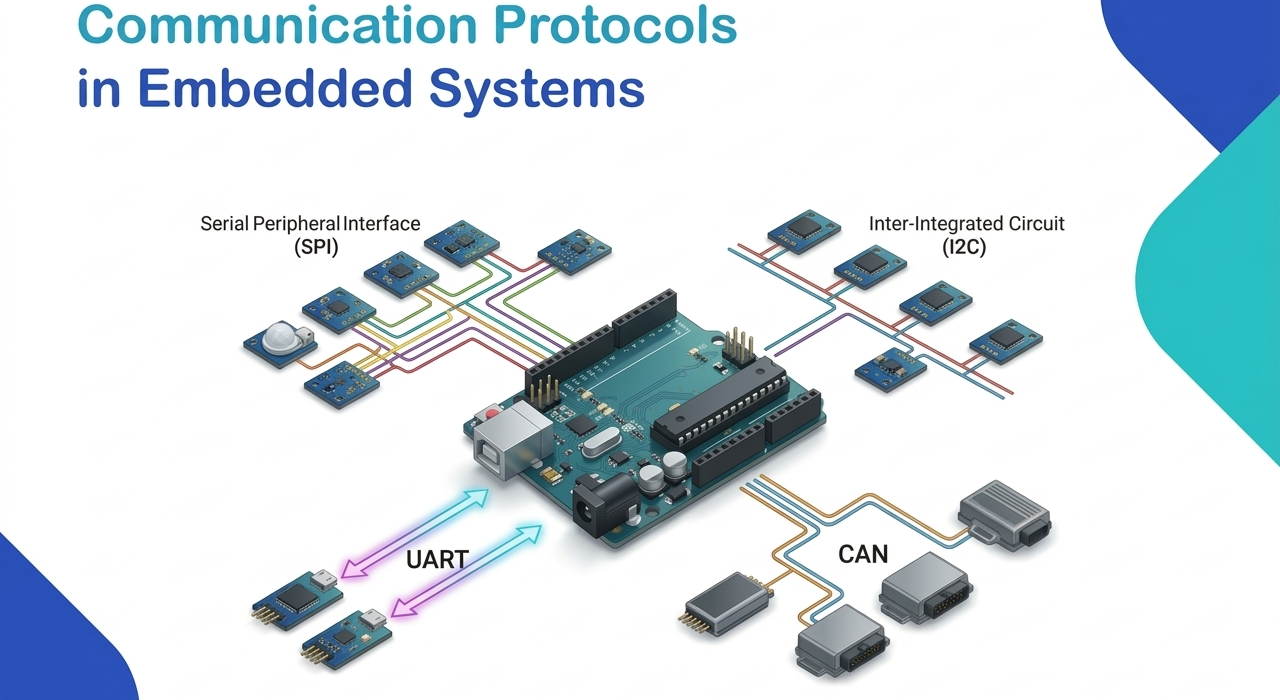
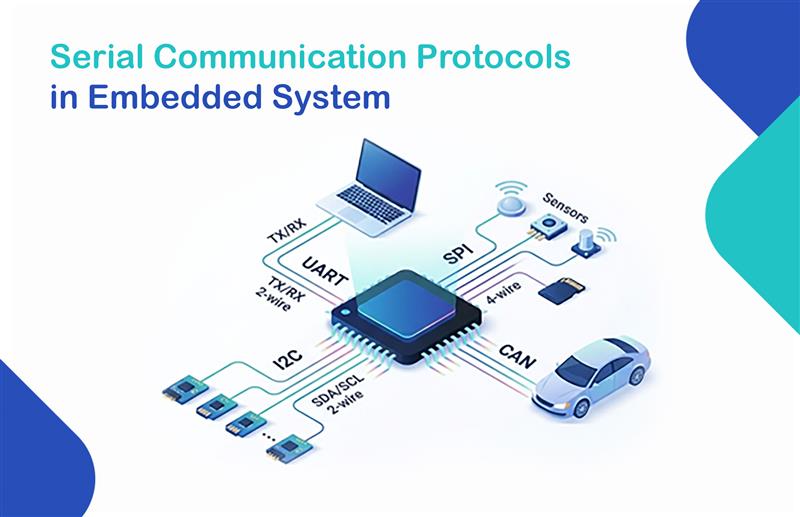
Digital twins rely heavily on connected systems like Embedded and IOT to collect and process live data.
In short, a digital twin helps you operate and optimize your building continuously.
BIM vs Digital Twin – Side-by-Side Comparison
| Aspect | BIM | Digital Twin |
| Data type | Static design & construction data | Live, real-time operational data |
| Primary phase | Design & construction | Operations & maintenance |
| IoT integration | Not required | Required (sensors, feeds) |
| Updates | Manual, project-based | Continuous, automated |
| Cost | Lower initial investment | Higher — needs sensor infrastructure |
| Best for | New builds, renovation projects | Ongoing facility management |
How BIM Becomes a Digital Twin
A digital twin typically evolves from a BIM model. However, the transition requires additional layers of data, connectivity, and technology.
Step 1: Create a BIM Model
The process begins with a detailed BIM model that includes geometry, materials, and system layouts.
Step 2: Enrich the Data
Additional information, such as asset specifications, manufacturer details, and maintenance schedules, is embedded into the model.
Step 3: Capture Existing Conditions (if needed)
For existing buildings, scan-to-bim services using point cloud technology can generate accurate BIM models from real-world conditions.
Step 4: Integrate IoT Sensors
Sensors are installed across systems like HVAC, lighting, and security to capture real-time data such as:
- Temperature and humidity
- Energy consumption
- Equipment performance
Step 5: Connect to Platforms
The BIM model is connected to cloud platforms and IoT systems that process incoming data streams.
Step 6: Activate the Digital Twin
Once connected, the model becomes dynamic, updating in real time and enabling simulations, analytics, and predictive insights.
This transformation is what turns a static design tool into a living operational system.
When Do You Need BIM vs a Digital Twin?
Choosing between BIM and a digital twin depends on your project stage and business objectives.
Use BIM When:
You are in the design or construction phase and need:
- Accurate 3D modelling and documentation
- Coordination between multiple disciplines
- Clash detection to avoid costly errors
- Better planning and scheduling
BIM is essential for new construction and renovation projects, where precision and planning directly impact cost and timelines.
Use a Digital Twin When:
Your building is already operational, and you need:
- Real-time monitoring of building systems
- Energy optimisation and sustainability tracking
- Predictive maintenance to reduce downtime
- Improved facility management
Digital twins are especially useful for large-scale facilities like hospitals, airports, and commercial complexes.
Use Both When:
You want end-to-end lifecycle management, including:
- Seamless transition from construction to operations
- Long-term asset performance tracking
- Smart building or smart city initiatives
- Data-driven decision-making
Using both BIM and digital twins together provides the highest ROI over the building lifecycle.
What Are the Real-World Use Cases of BIM and Digital Twin?
1. Smart Hospitals
Hospitals require precise coordination during construction due to the complexity of their systems. BIM ensures accurate layouts for medical equipment, HVAC, and utilities.
Once operational, digital twins monitor:
- Air quality and temperature
- Equipment performance
- Energy usage
This improves patient safety and reduces operational risks.
2. Airports
Airports are highly complex environments with massive infrastructure.
- BIM helps design and coordinate terminals, runways, and services
- Digital twins optimise passenger flow, security systems, and maintenance
This leads to smoother operations and better passenger experiences.
3. Commercial Buildings
Office buildings use BIM for efficient space planning and system coordination.
Digital twins enhance:
- Occupancy tracking
- Energy efficiency
- Space utilization
This helps facility managers reduce costs and improve tenant satisfaction.
4. Infrastructure Projects
Projects like bridges, highways, and rail systems benefit from BIM during design.
Digital twins provide:
- Structural health monitoring
- Real-time performance data
- Predictive maintenance alerts
This ensures the safety and longevity of infrastructure assets.
How Monarch Innovation Can Help
Monarch Innovation brings a unique advantage by combining deep expertise in BIM services with advanced IoT and embedded systems capabilities. While many providers focus only on modelling or only on connected technologies, Monarch integrates both to deliver complete lifecycle solutions.
Their BIM services ensure accurate, high-quality digital models tailored for construction efficiency. At the same time, their IoT solutions enable real-time data integration, transforming static models into fully functional digital twins. This unified approach allows clients to move seamlessly from design to intelligent building management without switching partners.
Conclusion: Choosing the Right Approach
Understanding digital twin vs BIM is critical for making informed decisions in construction and facility management.
- BIM helps you design and build efficiently
- Digital twins help you operate and optimize continuously
They are not competing technologies they are complementary. BIM lays the foundation, and digital twins unlock long-term value through real-time insights.
For modern construction projects and smart infrastructure, using both together is no longer optional it is becoming the standard.