The design and construction industry is rapidly evolving with the integration of advanced digital technologies. One of the most impactful innovations is Parametric Modelling in Architecture and Engineering. This approach is transforming how architects and engineers think, design, and build—by combining creativity with data-driven intelligence. Parametric modelling enables smarter decisions, faster workflows, and highly optimized designs, making it a cornerstone of modern Architecture Modelling and BIM Modelling.
What Is Parametric Modelling?
Parametric modelling is a design methodology where key parameters—such as dimensions, geometry, materials, performance data, and constraints—are interconnected through algorithms. When one parameter changes, the entire model updates automatically.
Parametric modelling allows designers to create flexible, intelligent models that adapt instantly to design changes, ensuring accuracy, efficiency, and innovation.
Why Parametric Modelling Is a Game Changer
Unlike traditional static design methods, parametric modelling supports continuous exploration and refinement. It empowers professionals to test ideas quickly without starting from scratch.
Key Advantages:
- Rapid generation of multiple design options
- High precision with reduced manual errors
- Seamless collaboration across disciplines
- Better alignment of aesthetics, structure, and performance
This makes Parametric Modelling in Architecture and Engineering a powerful tool for both creativity and technical excellence.
Parametric Modelling in Architecture
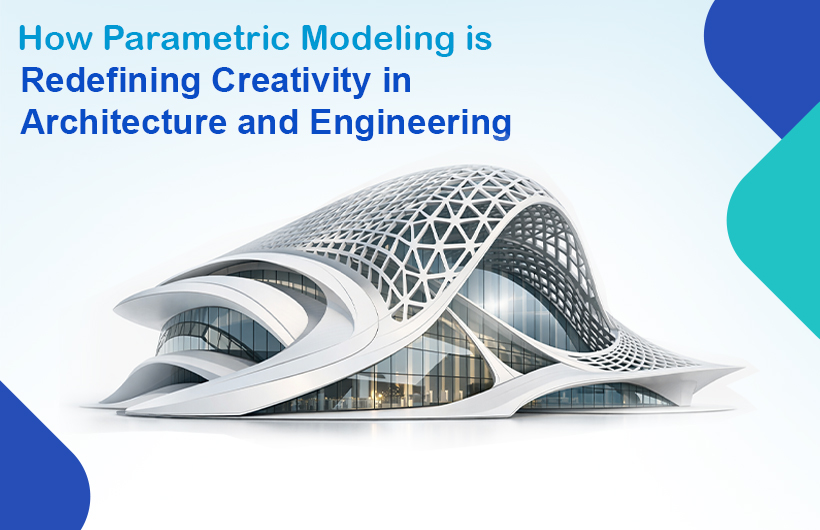
In modern Architecture Modelling, parametric design allows architects to go beyond conventional forms and create responsive, performance-driven buildings.
Architectural Benefits:
- Dynamic façades optimized for sunlight, ventilation, and energy efficiency
- Complex geometries with structural logic
- Faster concept-to-approval cycles
- Smooth integration with BIM Modelling platforms
Architects can now design buildings that are visually striking, environmentally responsible, and functionally efficient.
Parametric Modelling in Engineering
Engineers rely on parametric modelling to ensure safety, accuracy, and optimization. From structural systems to mechanical and civil engineering, parametric tools improve performance and reduce risk.
Engineering Advantages:
- Automated structural optimization
- Real-time response to design changes
- Early-stage performance simulations
- Improved coordination with architectural models
When paired with BIM Modelling, parametric engineering minimizes clashes and enhances constructability.
The Power of Parametric Modelling and BIM
The combination of Parametric Modelling in Architecture and Engineering with BIM Modelling creates intelligent digital representations of projects.
This integration enables:
- Accurate cost estimation and scheduling
- Clash detection and risk reduction
- Sustainable and performance-based design
- Efficient lifecycle management
Together, they support data-driven decision-making from concept to operation.
Why Parametric Modelling Is the Future of Design
As projects become more complex and sustainability-focused, parametric modelling is becoming essential rather than optional. It helps firms deliver innovative designs faster while maintaining control over cost, quality, and performance.
Future-ready benefits include:
- Reduced material waste
- Faster project delivery
- Improved sustainability outcomes
- Enhanced design innovation
How Monarch Innovation Leads in Parametric Modelling
Monarch innovation leverages advanced parametric techniques to deliver intelligent solutions in Architecture Modelling and BIM Modelling. By integrating parametric workflows with engineering expertise, Monarch Innovation helps clients achieve optimized, constructible, and future-ready designs across architecture and engineering projects.
Conclusion
Parametric modelling is redefining creativity by merging imagination with computation. It enables architects and engineers to design smarter, adapt faster, and build more efficiently. With the growing adoption of Parametric Modelling in Architecture and Engineering, supported by BIM Modelling, the future of design is intelligent, flexible, and innovation-driven. Firms that embrace this approach today are shaping the built environment of tomorrow.
FAQs
1. What is parametric modelling in architecture and engineering?
Parametric modelling in architecture and engineering is a design approach where parameters such as geometry, materials, and performance data are digitally linked. When one parameter changes, the entire model updates automatically, enabling faster design iterations, accuracy, and data-driven decision-making.
2. How does parametric modelling improve architectural design?
Parametric modelling improves architectural design by allowing architects to explore multiple design options quickly, create complex geometries, and optimize building performance. It enhances creativity while ensuring precision, sustainability, and seamless coordination with BIM modelling workflows.
3. What is the difference between parametric modelling and traditional modelling?
Traditional modelling requires manual changes for every design modification, while parametric modelling updates the entire design automatically through defined parameters. This makes parametric modelling faster, more flexible, and ideal for complex architecture modelling and engineering projects.
4. How is parametric modelling used in engineering?
In engineering, parametric modelling is used to optimize structural systems, analyze loads, reduce material usage, and simulate real-world conditions. It allows engineers to adjust designs in real time while maintaining accuracy and improving coordination with architectural and BIM models.
5. What is the role of BIM in parametric modelling?
BIM modelling enhances parametric modeling by integrating design data, construction details, and lifecycle information into a single intelligent model. Together, they enable clash detection, cost optimization, performance analysis, and efficient collaboration across architecture and engineering teams.