
Harsh Joshi
Co-founder & Technical Director
A practical guide to what actually drives product engineering outsourcing cost, from mechanical and hardware design to compliance testing, pricing models, and hidden costs to budget for.
A founder who has just finished a working prototype usually asks the same question a CTO asks when scoping a new product line: how much will it actually cost to get this engineered properly. Product engineering outsourcing cost depends on the engineering disciplines involved, how mature the existing design is, the number of development iterations, compliance requirements, and the pricing model an engineering partner uses.
There is no universal price for product engineering outsourcing. A simple CAD redesign is a different undertaking from developing a connected hardware product that needs mechanical engineering, PCB design, embedded firmware, prototyping, testing, and regulatory support. This guide walks through the real cost drivers, the common pricing models, and the hidden costs that catch teams off guard, so you can scope a realistic budget before requesting a formal quote from an engineering partner.
What Determines Product Engineering Outsourcing Cost
There is no fixed price per project because product engineering covers several distinct disciplines, each with its own cost profile. A CAD redesign of a single bracket costs very differently from a multi-board electronics platform that needs embedded firmware, testing, and certification.
Four broad factors have the biggest effect on price. Engineering discipline mix matters most: mechanical design, hardware and electrical engineering, embedded firmware, prototyping, and manufacturing engineering each require different skills and tools, so a project needing only mechanical CAD work will cost very differently than a connected product needing mechanical, electrical, firmware, and testing expertise together. Design maturity matters almost as much, since starting from an early concept or rough sketch requires more engineering decisions and iterations than refining an existing CAD model or a functional prototype. Compliance and testing scope adds cost when a product needs CE, FCC, UL, ISO 13485, or FDA-related documentation, along with EMC/EMI or environmental testing, work that should be budgeted from the start rather than added once the design is already finished. Finally, the pricing model and delivery location the partner uses (time and materials, fixed price, or a dedicated team, combined with where the engineers are based) shapes the final number.
Product Engineering Cost by Engineering Discipline
Product engineering rarely involves just one discipline. Understanding which services your product needs is the fastest way to estimate its likely complexity.
Mechanical Engineering and Product Design
Mechanical work spans CAD modeling, sheet metal and casting design, DFM/DFA, and simulation such as FEA and CFD. A simple enclosure redesign needs only a limited number of engineering hours. A complex structural assembly that requires simulation, multiple prototypes, and several design iterations takes considerably more effort, since cost climbs with component count, tolerance requirements, and how many rounds of design revision a part needs before it is ready for manufacturing. Monarch Innovation's mechanical engineering capabilities include CAD modeling, FEA, CFD, DFM/DFA, sheet metal, and castings.
Hardware and Electrical Engineering
Hardware costs depend heavily on the complexity of the electronics. A simple single-board sensor design is a different project than a high-speed multi-board system with complex power architecture, wireless requirements, and EMC/EMI considerations. Circuit complexity, PCB layer count, component selection, and signal integrity requirements are the main drivers here, and hardware also carries more fixed cost early on since schematic design and component selection have to be right before layout even begins.
Embedded Firmware Development
Firmware cost depends on how closely the software has to interact with the hardware and how demanding the product's requirements are. Real-time operation, complex communication protocols, wireless connectivity, and security requirements all add engineering time, particularly for validation and integration testing. For connected products, hardware and firmware are usually best scoped together, since a change in one frequently affects the other.
R&D and Prototyping
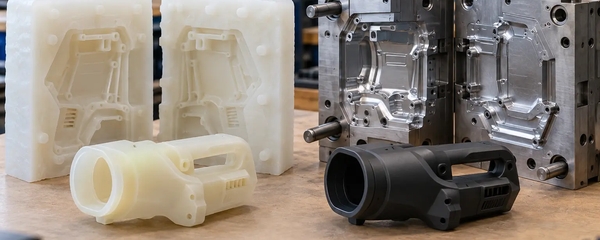
Prototype cost depends on the method (3D printing, CNC machining, or functional mockups) and how many iterations the design goes through. The first prototype is rarely the final one: testing tends to reveal mechanical, electrical, or manufacturing issues that require another engineering cycle, so budgeting for only a single prototype round often underestimates the real cost.
Compliance, Testing, and Documentation
Certification work is frequently underestimated during early planning. Depending on the product, a partner may need to support pre-compliance EMC testing, environmental and electrical safety testing, regulatory documentation, and manufacturing or design-history records. Monarch Innovation's product engineering practice includes lifecycle and compliance support, verification and testing, and documented V&V evidence as part of the same engagement.
| Engineering Area | Main Cost Drivers | Typical Cost Impact |
|---|---|---|
| Mechanical engineering | Complexity, CAD iterations, simulation, materials, tooling | Low to high |
| Hardware and electrical | PCB complexity, layer count, components, signal integrity | Medium to high |
| Embedded firmware | Real-time requirements, protocols, connectivity, testing | Medium to high |
| R&D and prototyping | Prototype method, materials, number of iterations | Low to high |
| Compliance and testing | Standards required, testing scope, documentation | Medium to high, often underestimated |
Product Engineering Outsourcing Pricing Models
How you pay for engineering work matters almost as much as what the project involves. Most outsourced product engineering falls into one of three models.
With time and materials, you pay for the actual hours worked. This fits projects where requirements are still evolving, such as early R&D or exploratory design, because it does not lock you into a fixed deliverable before decisions are settled. Fixed price sets one cost for a clearly defined scope, and works best once specifications, deliverables, and acceptance criteria are documented, since both sides know exactly what is being built. A dedicated engineering team works as an extension of your own staff, retained on a monthly basis. This suits companies with an ongoing pipeline of engineering work across multiple products or phases, since engineers keep product knowledge between development cycles rather than starting fresh each time.
| Pricing Model | Best For | Main Advantage | Main Consideration |
|---|---|---|---|
| Time and materials | R&D and changing scope | Maximum flexibility | Final cost can vary |
| Fixed price | Well-defined projects | Budget predictability | Less flexible once scope changes |
| Dedicated team | Ongoing development pipelines | Continuity and scalability | Requires ongoing commitment |
A useful rule of thumb: if you cannot yet describe your deliverables, requirements, and acceptance criteria on one page, a fixed-price quote will likely be harder to get right than a time-and-materials or dedicated-team arrangement.
How Delivery Location Affects Cost
Engineering rates vary substantially by region, which is one of the main reasons two partners can quote very different numbers for what looks like the same project on paper. Onshore teams in North America and Western Europe generally carry the highest rates, reflecting local salary levels. Nearshore delivery offers a balance between cost and time-zone proximity, easing day-to-day collaboration even if rates for specialized disciplines stay relatively high. Offshore delivery, particularly through established engineering hubs such as India, tends to offer the largest cost reduction while still providing access to specialized talent, though the smaller talent pool for very niche disciplines can be a consideration wherever you look.
Rate alone is not the full picture. A lower hourly rate can still produce a higher total project cost if the work needs more iterations, more supervision, or repeated corrections. When comparing proposals, weigh the total engineering outcome, not just the blended hourly rate: ask how many engineers are proposed, their seniority mix, and how many review cycles are included.
Hidden Costs That Are Easy to Miss
A few cost categories tend to get left out of early estimates and then surface later in the project. Design iteration and rework is the most common: complex mechanical and electrical designs rarely reach final form on the first pass, so budget for at least one full review-and-revise cycle. Prototype and material costs sit outside engineering hours entirely, since machining, PCB assembly, and tooling all carry their own line items. Compliance testing fees from independent labs are usually billed separately from engineering time. Project management overhead becomes real once mechanical, electrical, and firmware teams need to coordinate handoffs, and documentation and handoff, complete design files, test reports, and manufacturing records, takes additional time to prepare properly, especially if the product will move to a different manufacturing partner later.
Asking a potential partner directly which of these categories are included in their quote, and which are billed separately, is one of the simplest ways to avoid a mid-project budget surprise.
Getting an Accurate Estimate
A reliable estimate depends on how much you can tell a partner up front: the product's function, target industry and any compliance requirements, current design maturity, existing CAD or PCB files if available, and which disciplines are in scope. Monarch Innovation's product engineering team works across mechanical design, hardware and electrical engineering, R&D and prototyping, and compliance support, so a single point of contact can scope a multi-discipline project instead of coordinating separate vendors for each piece. For complex products, an initial discovery or feasibility phase can help define scope before committing to a full development program.
Choosing a Partner Based on More Than Price
The lowest quote is not always the most cost-effective choice once rework, delays, and compliance gaps are factored in. When comparing proposals, look at the partner's experience in your specific discipline mix, whether they have delivered products in your industry (medical devices, industrial equipment, and consumer electronics all carry different reliability and compliance expectations), who will actually work on your project rather than just the company's overall headcount, and whether you will receive complete CAD files, source code, BOMs, and test reports at handoff. A partner who explains not just what a project costs but why it costs that amount, and what is included in the scope, is usually easier to budget with over the life of a project.
Planning Your Product Engineering Budget
Product engineering outsourcing cost is not a single figure you can look up. It is the sum of the disciplines your product needs, how mature your design already is, the pricing model you choose, and where the engineering team is based. Working through these factors before you request quotes makes it much easier to compare proposals fairly and catch the hidden costs that often get missed early on.
If you are ready to see how these factors apply to your specific project, contact Monarch Innovation to request an engineering estimate.
Request an Engineering Estimate
Get a clear, discipline-by-discipline breakdown of what your product engineering project will cost before you commit. Contact Monarch Innovation to discuss your mechanical, hardware, electrical, or embedded product development requirements with our engineering team.
Frequently Asked Questions
How much does product engineering outsourcing cost?
Product engineering outsourcing cost varies according to the engineering disciplines involved, product complexity, design maturity, number of iterations, testing requirements, compliance scope, and engagement model. A simple mechanical redesign can require a much smaller engagement than a complete hardware and firmware product development program with certification requirements.
What is the difference between time and materials and fixed-price outsourcing?
Time and materials billing charges for the actual engineering work performed and is suitable when project requirements may still change. Fixed-price outsourcing provides an agreed cost for a clearly defined scope and works best when requirements and deliverables are already documented in detail.
Does outsourcing product engineering offshore always cost less?
Not necessarily. Offshore engineering can reduce hourly rates, but the total project cost also depends on engineering quality, team seniority, communication, iteration count, project management, and rework. The lowest hourly rate does not always produce the lowest total project cost once these factors are included.
What hidden costs should I consider when outsourcing product engineering?
Commonly overlooked costs include design iterations, prototype materials and machining, PCB fabrication, third-party compliance testing fees, project management across disciplines, documentation and handoff, and engineering changes requested after design approval. Asking a partner which of these are included in their quote helps avoid surprises later.
Is a dedicated engineering team cheaper than project-based outsourcing?
It depends on the workload. A dedicated team can provide predictable ongoing engineering capacity for companies with continuous, multi-product development needs, while project-based outsourcing is often more cost-effective for a single, clearly defined engineering deliverable with a fixed scope and a known end point.
Why do compliance requirements increase product engineering cost?
Compliance can require additional design reviews, documentation, verification, pre-compliance testing, certification support, and technical evidence beyond the core product design. Standards such as CE, FCC, UL, ISO 13485, or FDA documentation each carry their own testing and paperwork requirements, and that work needs its own budget line.
What information does an engineering partner need to provide an accurate quote?
An engineering partner generally needs the product function, target industry and market, current design stage, existing design files, the engineering disciplines required, prototype and compliance requirements, expected production volume, and target timeline. The more of this is available up front, the more accurate the resulting estimate will be.